




News & Blogs
Home/Blogs
10 Practical Cold Calling Tips for Real Estate Agents
- Real Estate Industry
- # October 7, 2025
- # 469 Views

Cold calling is a skill that many professionals love to hate. It’s unpredictable, and rejection sometimes feels like part of your job description. Some people believe that the idea of interrupting someone’s day with a sales pitch can feel pushy or outdated. Despite its reputation, cold calling is one of the most effective ways to record maximum sales, build relationships, and unlock opportunities that emails, and paid ads can’t always deliver.
This valuable skill does the magic to land your first client and then keep reaching out to new prospects. However, it is not made for everyone. It requires product knowledge, marketing tactics, and most importantly, a strategic mindset to convert a cold call into a sale. To be the next top-selling cold calling agent, you can refer to these effective tips.
Table of Contents
Know Your Prospect Before Calling Them
Real estate cold calling is a bit of a tricky thing. You have to be relevant to the industry to make your cold calling campaign a success. If it isn’t the case, there is still a way to do it. If you’re not an industry-specific expert, you can do some prior research to get key insights. This helps you understand the pain points of your potential customers. In this way, you can customize your sales pitch to meet their specific needs. Customer research helps you stay informed and get the most out of your leads.
Focus on Solving, Not Selling
Cold calling is the art of selling. But it also works when you solve problems. It can be your service, your offer, or a USP that you can pitch to your prospect as the only solution available. This way, the customer feels appreciated because you care about their specific needs. When you solve their problems, you get a chance to close the deal on a high note. In real estate, agents can explain how they can help clients get top value for their home, reduce stress in the selling process, and fit products that align with their specific needs.
Write a Pitch That Speaks to Their Pain
Your sales pitch is where you can use your creativity to go beyond just outdated call introductions. Your sales pitch should start with customer and industry challenges, and how you can solve them. The real estate market is competitive, and almost every realtor is relying on cold calling campaigns. Your strategic pitch planning can give you a significant advantage over your competitors. Talk about real challenges like struggling to sell quickly or concerns about market fluctuations.
Create a Script for Your Calls
There is no problem using a script, but sticking to it will impact your authenticity. Customize your script to adapt to changing market trends. It is the best thing to get started, but reading word-for-word can make your voice sound robotic. Present yourself as an industry expert in every call.
Ask Engaging Open Questions Only
It’s your call to make your conversation captivating in any viable way. The best practice is to engage customers with open questions and concerns to establish a connection. It is a known fact that customers only respond to agents who go the extra mile to create a valuable connection. However, you should avoid questions that simply end with a yes or no. Stay relevant to your industry and ask open questions like:
- What has been your biggest challenge in selling your property?
- What would the ideal outcome look like for you?
These open questions invite prospects to share details you can use to personalize your response.
Prepare for Objections and Rehearse Responses
You’re sure to receive different types of objections and even harsh responses from your prospects. This is a point where many real estate agents lose their hope and consistency. To win such customers, you should prepare for their objections beforehand. Some common objections include “I am not interested” or “I already have an agent.”
In such cases, most agents don’t know how to regain control. Instead of freezing up, prepare a list of the most common objections you might face and practice how to respond to them to keep the deal alive.
Practice, Role-Play, and Get Feedback
Real estate only gets better with continuous practice. You should practice your calls with a fellow agent. Role-play sales calls with colleagues and mentors to practice case studies. Another helpful way is to record your voice and listen back to identify gaps in your script and pitching. Ask industry-relevant people to give valuable feedback on your cold calling campaigns. These smart changes can improve your closings.
Track Metrics & Adapt
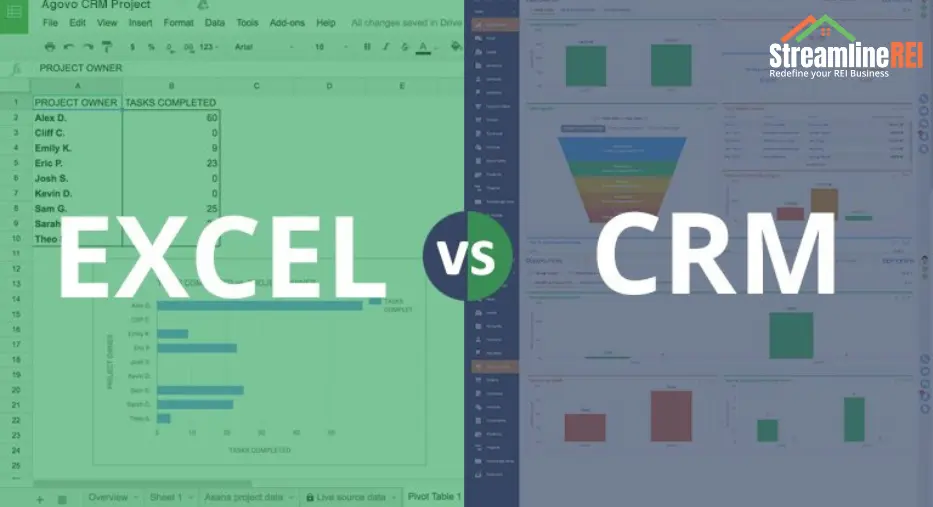
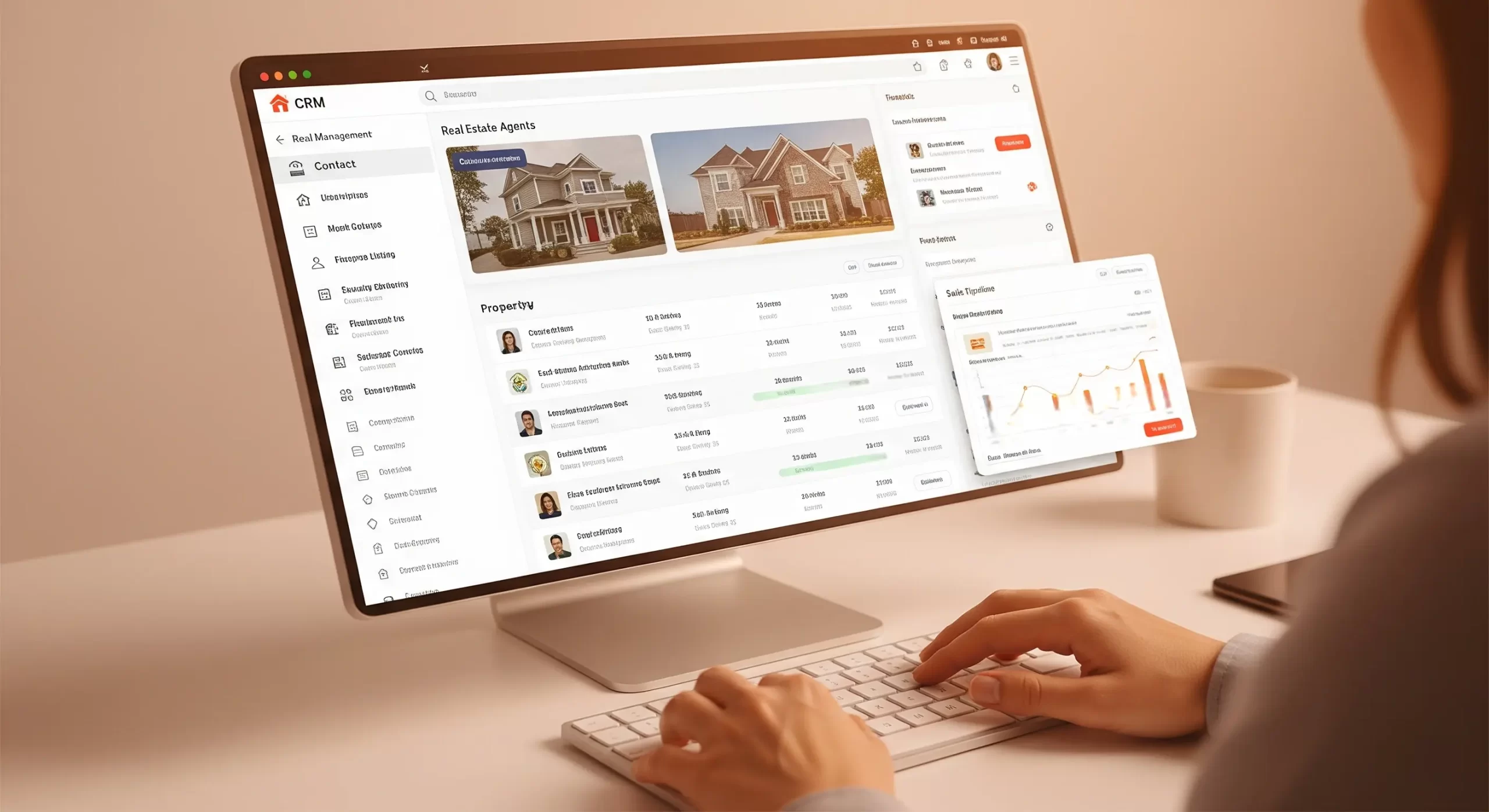
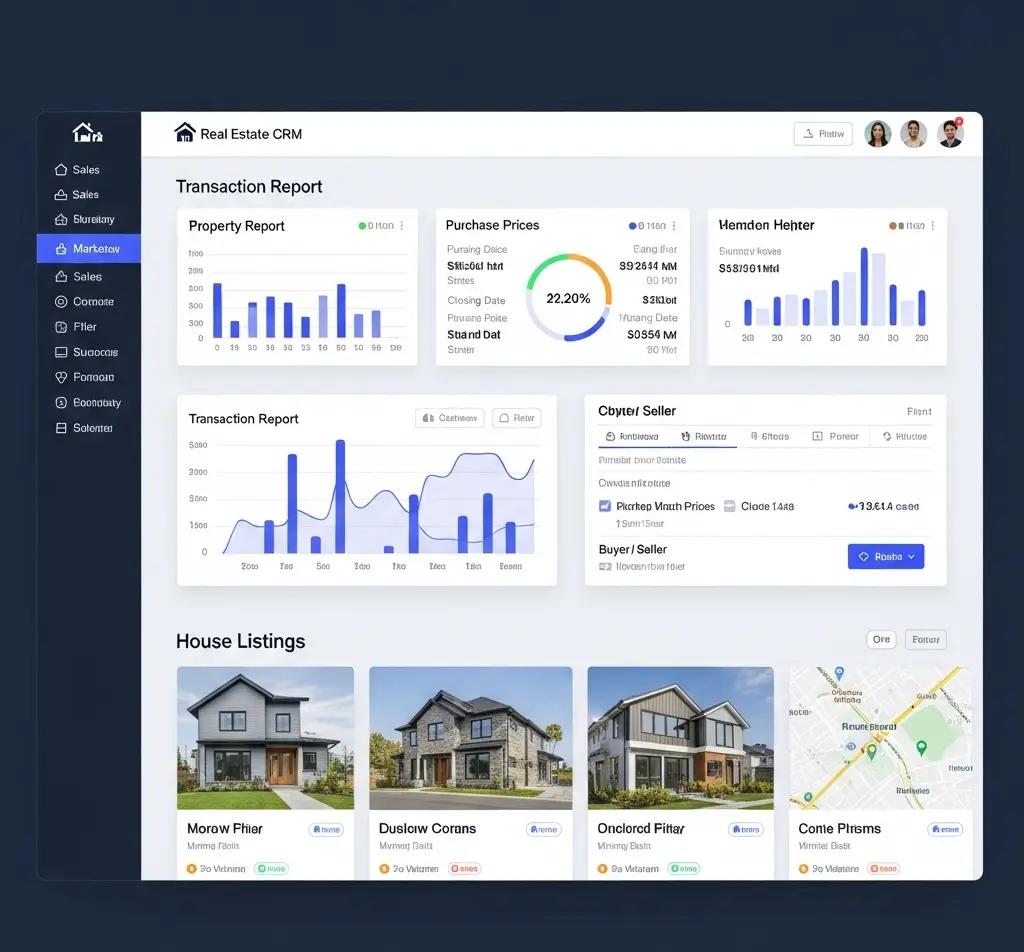
In 2025, no one is using spreadsheets to keep track of a huge contact list. CRM tools are here to manage everything and track your cold calling metrics. Cold calling is a number game, and it’s worthwhile when your numbers are improving. With a real estate CRM, you can see progress, schedule calls, and set appointments.
If you’re still relying on outdated techniques, switch to a CRM to automate your sales processes. StreamlineREI is a prime example of how industry-specific CRMs can change the game for real estate agents.
Mind Your Tone, Tempo, and Pose
You should sound professional, relevant, and credible. Prospects can’t see you, so the only way to build trust is by setting a consistent and authentic tone. How you convey your message is just as important as what you say. A confident tone builds trust, a steady pace ensures clarity, and well-timed pauses make your words more valuable. It’s good to be professional, but it doesn’t mean you cannot smile. Instead, smiling while speaking makes your tone warmer and impactful.
Use Tools to Scale & Automate
Staying outdated means losing out on a huge portion of your target audience. With time, every industry needs to evolve and adapt. As said earlier, CRM is the future of real estate. With a smartly integrated CRM, you can organize leads, follow up on time, and automate repetitive tasks.
Final Words
Cold calling looks easy, but it isn’t. It is one of the most powerful marketing tools in a real estate agent’s arsenal. With a strategic approach, planning, and mindset, you can increase your chances of winning over new prospects. These smart tips can help you close your first client and scale up your real estate business.
FAQs
Does cold calling still work for real estate agents in 2025?
Yes, cold calling remains effective because it creates direct conversations with homeowners and buyers.
How many cold calls should a new real estate agent make per day?
On average, new agents should aim for 30–50 calls daily. In real estate, quality conversations matter more than hitting big numbers.
What is the best time of day to cold-call homeowners?
Late mornings (10–12) and early evenings (4–6) usually work best. These are times when most people are more likely to answer and less rushed.
How do I handle rejection during real estate cold calls?
Rejection is part of the process. Stay polite, thank the person for their time, and move on. Each “no” gets you closer to the next “yes.”
Do scripts really help in cold calling, or should I just talk naturally?
Scripts are great for guidance, especially when starting. But the best results come when you personalize the script and let the conversation flow naturally.
Stay Informed With the Latest & Most Important News















































































Recent Blogs
Real Estate IndustryJune 9, 2026
Influencer Marketing in USA Trends and ROI
Lead GenerationApril 23, 2026
Remote IT Support Trends in USA Shaping Managed IT
Real Estate IndustryApril 16, 2026
Cybersecurity in Managed IT Solutions: The Practic