



News & Blogs
Home/Blogs
How to Choose the Best Real Estate CRM: A 2026 Strategy for High Performing Agents
- Real Estate Industry
- # February 24, 2026
- # 469 Views

The real estate industry has moved beyond the era of Rolodexes and simple spreadsheets. In today’s market, speed to lead is the only metric that truly dictates your commission checks. If you are not responding to a query within minutes, your competitor is. This is where a Customer Relationship Management (CRM) system shifts from being a “nice-to-have” tool to the literal central nervous system of your business.
Choosing the right platform is often overwhelming. With hundreds of options claiming to be the “all-in-one” solution, how do you distinguish between a tool that grows your business and one that just adds another monthly subscription to your overhead?
Table of Contents
What to Look for When Choosing a Real Estate CRM
To make an informed decision, you must look past the flashy marketing and focus on the engine under the hood. A high-performing CRM should solve three main problems: lead leakage, manual data entry, and lack of follow-up consistency.
Essential Features for Modern Realtors
The best CRMs in 2026 focus on automation and intelligence. Here are the non-negotiable features you should prioritize:
- Lead Routing and Distribution: If you run a team, the CRM must automatically assign leads based on zip codes, price points, or agent performance.
- Automated Nurture Sequences: Look for “set and forget” email and SMS drip campaigns that feel personal, not robotic.
- Robust Mobile Access: You spend more time in your car and at shows than at a desk. The mobile app must be just as powerful as the desktop version.
- Transaction Management Integration: A CRM that doesn’t talk to your closing software creates double the work.
- AI-Powered Lead Scoring: Modern systems now rank your leads based on their behavior, telling you who is ready to buy and who is just “window shopping.”
Comparing CRM Categories
Not every real estate professional needs the same level of complexity. Use the table below to identify which category fits your current business stage.
| CRM Type | Best For | Key Advantage | Potential Downside |
| Solo-Agent Focused | Independent contractors | Low cost, easy to set up | Limited team scalability |
| All-in-One Platforms | Teams and small brokerages | Includes website and lead gen | High monthly cost |
| Enterprise Solutions | Large franchises | Massive data control | Steep learning curve |
| Nurture-Centric | Referral-based businesses | Strong focus on past clients | Weaker cold lead tools |
The Step-by-Step Process for Choosing the Right System
If you are feeling paralyzed by choice, follow this logical framework to narrow down your options.

1. Define Your Primary Pain Point
Before looking at the software, look at your business. Are you losing leads because you forgot to follow up? Or are you drowning in manual tasks like data entry? If your problem is lead generation, you need a CRM with built-in IDX websites. If your problem is organization, focus on task management and pipeline visualization.
2. Check Your Current Tools
A new system should take work off your plate, not give you a second job. Before you pull the trigger on a subscription, write down every app you currently use, from your calendar and DocuSign to the local MLS. You need a CRM that plays nicely with those programs without any extra drama. If the tools do not talk to each other, you will find yourself stuck at your desk on a Sunday afternoon manually moving contact info back and forth. Life is way too short to spend your weekends cleaning up messy spreadsheets and fixing data entry mistakes.
3. Prioritize Ease of Use
The “best” CRM is the one you actually use. Many agents purchase complex systems with 500 features but only use three of them because the interface is too cluttered. Sign up for a free trial and try to perform a simple task: add a lead, set a follow-up reminder, and send a text. If it takes more than 30 seconds to figure out, it will likely become “shelf-ware.”
4. Evaluate the Support and Training
Software breaks, and questions will arise. Check if the provider offers live chat, a dedicated account manager, or a community of users. A CRM with a robust “Knowledge Base” and active Facebook user group is worth its weight in gold when you are trying to set up a new automation at 9 PM on a Tuesday.
Common Pitfalls to Avoid
Many real estate professionals make the mistake of choosing a CRM based solely on price. While budget is important, a “cheap” CRM that doesn’t automate your follow-up could cost you tens of thousands in lost commissions.
Another trap is “feature overkill” syndrome. Do not pay for a system that includes built-in AI video editing if you never plan on making videos. Focus on the core functionality that drives your specific sales process.
Why 2026 Demands a Different Approach
The real estate landscape is shifting. Buyers and sellers are more educated, and they expect instant communication. Google’s latest algorithms also reward businesses that provide consistent, high-quality digital experiences. Your CRM is the tool that ensures your digital presence matches your physical expertise.
Modern CRMs are now incorporating predictive analytics. They can analyze your database and highlight a past client who hasn’t been contacted in two years but is suddenly browsing property listings on your site. This proactive “signal” is the difference between getting a listing and watching a neighbor’s sign go up.
Scalability: Thinking Five Years Ahead
Do not just buy for the business you have today: buy for the business you want tomorrow. If you plan on hiring an assistant or three buyer agents next year, ensure your CRM allows for easy user additions and permission settings. Switching CRMs is a painful, time-consuming process that involves data migration and learning new habits. It is better to choose a system that you can grow into rather than one you will outgrow in twelve months.
Customization vs. Out-of-the-Box
Some agents want to build every workflow from scratch, while others want a “plug-and-play” system. If you are a tech-savvy agent who loves tinkering with triggers and actions, look for a highly customizable platform. If you just want to log in and start calling, look for a CRM that comes pre-loaded with real estate-specific templates and workflows.
Streamline Your Real Estate Operations Today
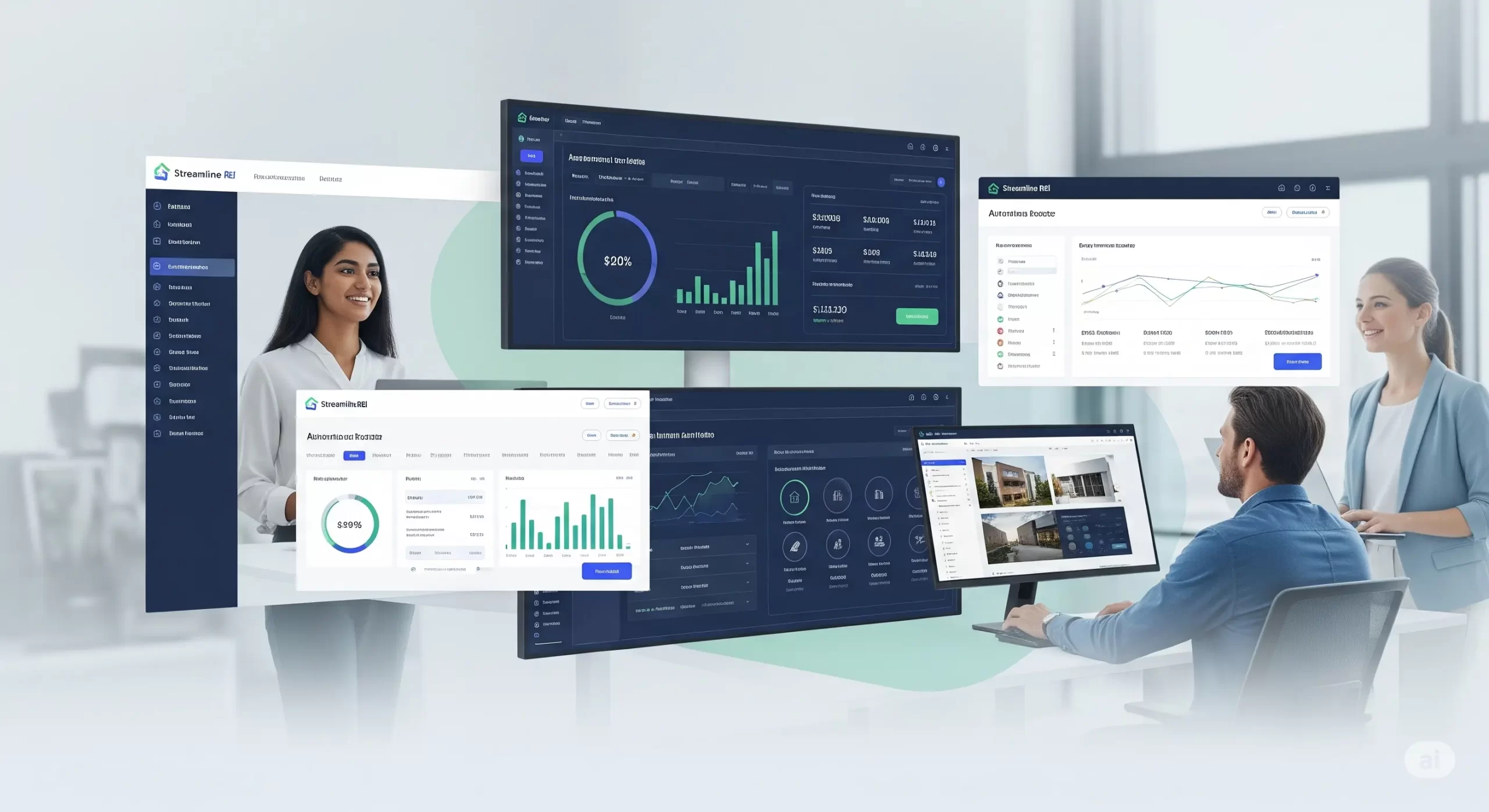
Choosing a CRM is only the first step toward true business freedom. To truly dominate your local market, you need a system that integrates your lead generation, nurturing, and closing processes into one fluid motion. We know what it’s like to feel stuck at a desk when you should be out meeting clients and closing deals. At Streamline REI, we focus on fixing the messy parts of your day so you can finally get your weekends back. Take a look at StreamlineREI to see how we help agents turn a hectic schedule into a smooth, growing business that actually feels manageable.
Conclusion
At the end of the day, choosing a CRM comes down to finding a tool that makes your life easier rather than adding to your workload. You need something that fits your budget and fixes the specific hiccups in your daily routine. If the software is a headache to navigate or doesn’t sync with your current apps, it will probably just sit there unused. No matter how many bells and whistles a system has, it only works if you actually log in. Pick a platform that genuinely helps you stay on top of your leads and makes it simple to keep in touch with your clients.
Investing in the right CRM today ensures you won’t be left behind in tomorrow’s digital-first market. Your future self and your bottom line will thank you for making the strategic choice now.
FAQs
What is the best real estate CRM for solo agents?
If you are flying solo, you need a tool that is easy to handle but still automates the boring stuff for you. Stick with a platform that focuses on quick follow-up alerts and has a great mobile app. This allows you to stay on top of your leads and run your entire business right from your phone while you are out in the field.
How much does a real estate CRM typically cost?
Pricing varies widely based on features. You can find basic tools starting around $30 per month, while all-in-one platforms with lead generation and IDX websites can cost $300 to $500 monthly.
Does a real estate CRM help with lead generation?
Some CRMs include built-in lead generation tools like forced registration landing pages. However, the primary job of a CRM is to manage and nurture the leads you already have come in from other sources.
What is the difference between a CRM and an IDX website?
A CRM is a database for managing relationships and tasks. An IDX website is a front-facing tool that allows users to search for MLS listings. Many top systems integrate both into one platform.
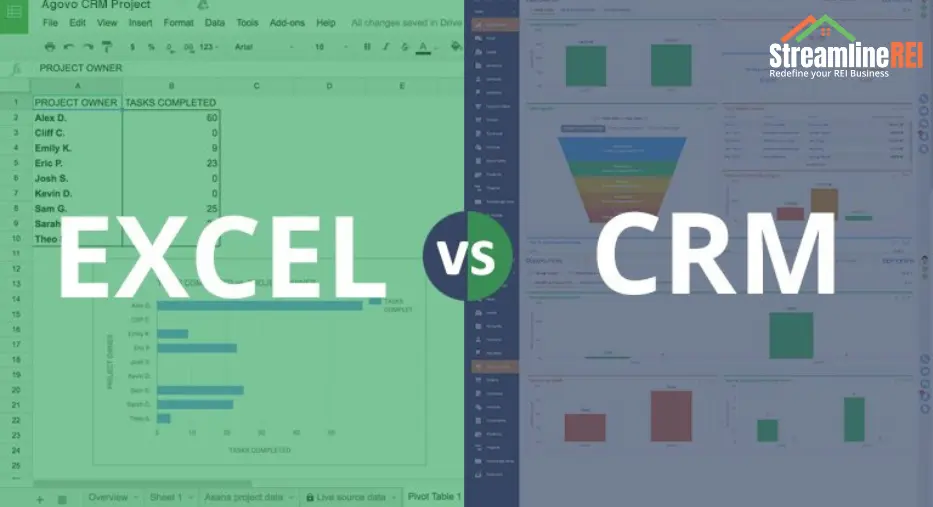
Can I use a general CRM like Salesforce for real estate?
You can, but you will likely spend a lot of time and money just trying to make it work for your daily needs. Real estate software is usually a better bet because it already includes listing details and closing steps that connect directly to your MLS.
Stay Informed With the Latest & Most Important News












































































Recent Blogs
Real Estate IndustryJune 9, 2026
Influencer Marketing in USA Trends and ROI
Lead GenerationApril 23, 2026
Remote IT Support Trends in USA Shaping Managed IT
Real Estate IndustryApril 16, 2026
Cybersecurity in Managed IT Solutions: The Practic